
Compare Local Contractors for Earthquake Retrofitting Projects
Compare local contractors for earthquake retrofitting to define scope, verify experience, and set clear expectations for a successful project.
Earthquake retrofitting services typically involve strengthening a building’s structural elements to better withstand seismic activity. This work may include adding or reinforcing shear walls, bracing existing frameworks, installing seismic joints, and securing vulnerable components such as chimneys or heavy fixtures. The goal is to improve a property’s resilience during an earthquake, which can help protect occupants and reduce potential damage. Since each property has unique features and construction types, understanding the scope of retrofitting work needed is essential for ensuring the project addresses specific vulnerabilities effectively.
Defining the scope of an earthquake retrofitting project is a critical step for property owners. Clear communication about what work is included helps set expectations and ensures that both parties understand the extent of the improvements. A well-defined scope can prevent misunderstandings and provide a basis for comparing proposals from different service providers. It’s important to specify details such as the areas to be reinforced, the types of materials to be used, and any additional structural assessments that may be necessary. Having this information in writing creates a transparent foundation for the project and helps facilitate a smoother process from planning to completion.
When evaluating local contractors for earthquake retrofitting, property owners should consider several factors to make informed comparisons. Verifying the experience and track record of service providers can provide insight into their familiarity with similar projects in the area. It’s beneficial to review how they approach defining scope, communicate project details, and document agreements. Comparing the level of detail in their proposals, the clarity of the scope, and the professionalism of their written documentation can help identify which contractors are best equipped to meet specific needs. Gathering information on their local experience and ensuring they understand the unique requirements of properties in the area can lead to more reliable and effective retrofitting solutions.
Compare local contractors by outlining your priorities, verifying experience, and clearly defining project scope in writing.
- Compare Contractor Credentials - Review experience and credentials to ensure contractors are qualified for earthquake retrofitting projects.
- Define Project Scope Clearly - Establish detailed work parameters to set accurate expectations with service providers.
- Verify Experience and References - Check past work and references to assess the reliability and expertise of local contractors.
- Document Agreements in Writing - Ensure all project details and expectations are documented to prevent misunderstandings.
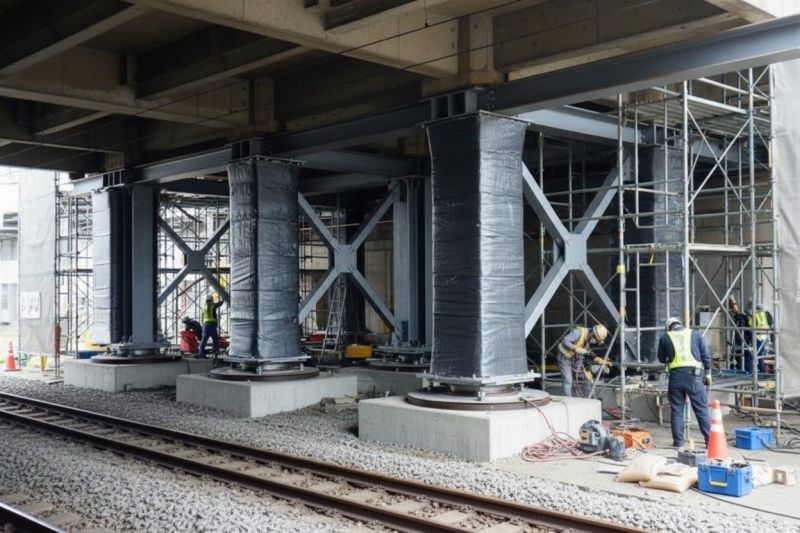
Before comparing local contractors for earthquake retrofitting, clearly describe your project scope and verify their experience and written expectations.
- Verify experience and expertise in seismic retrofitting specific to residential or commercial structures. - Ensure service providers clearly define the scope of work and retrofit methods in written estimates.
- Compare multiple local contractors to evaluate their approaches and familiarity with earthquake retrofitting standards. - Look for detailed descriptions of retrofit techniques and materials used.
- Check references or reviews to assess the quality of previous earthquake retrofit projects handled by the service providers. - Confirm that contractors have a history of successful seismic reinforcement work.
- Confirm that the scope of work includes structural assessments, foundation reinforcement, and shear wall installation. - Make sure all necessary retrofit components are addressed in the written plan.
- Discuss and document project expectations, including timelines, responsibilities, and deliverables, in writing with each contractor. - Clear documentation helps ensure alignment and accountability throughout the project.
- Assess the contractor’s familiarity with local building codes and seismic retrofit requirements applicable to the property. - Ensure compliance with relevant standards to support the retrofit’s effectiveness.
Use this to compare local contractors, clarify scope, verify experience, and set clear expectations.
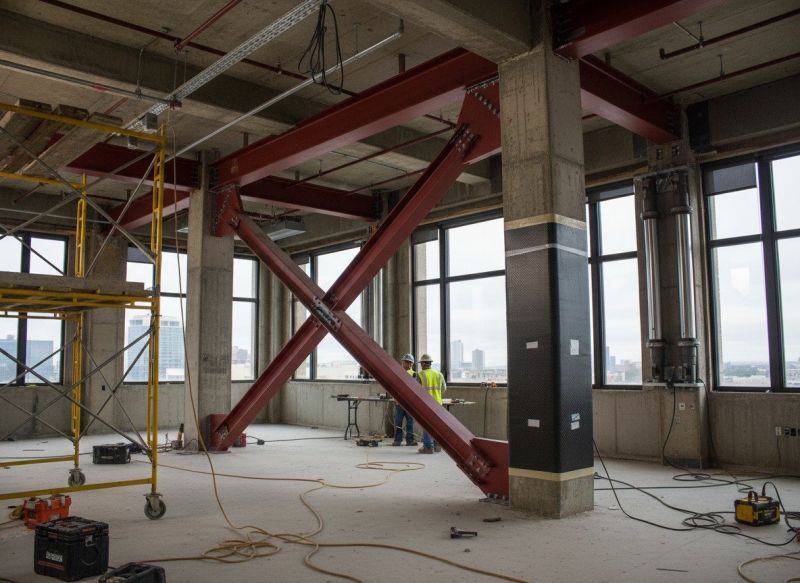
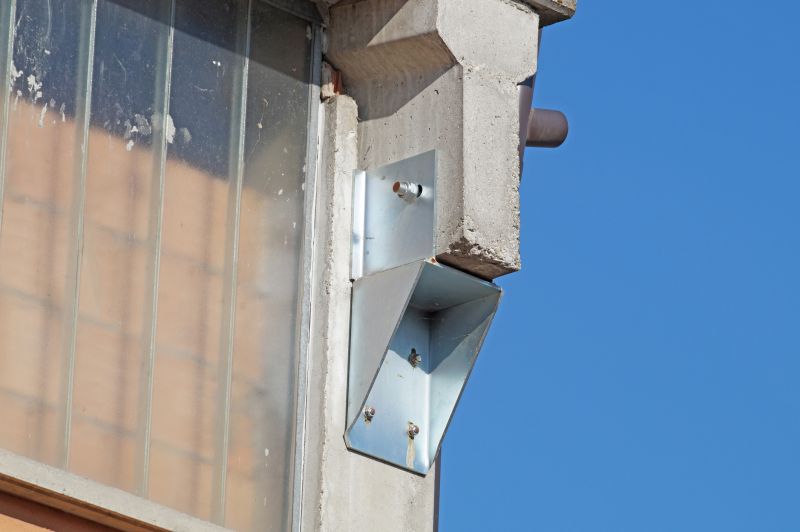
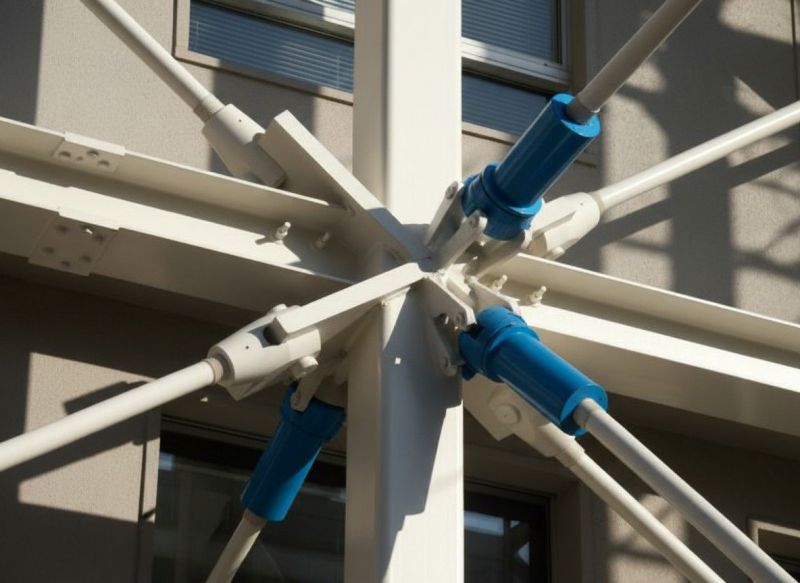

This scope builder helps compare local contractors, define work details, verify experience, and set clear written expectations.
- Scope Definition - Clearly outline the specific seismic retrofitting tasks needed for the property.
- Experience Verification - Confirm that local contractors have relevant experience with earthquake retrofitting projects.
- Material and Method Selection - Specify the types of materials and techniques to be used in the retrofitting process.
- Project Expectations - Document the desired outcomes and standards for the retrofitting work in writing.
- Comparison Criteria - Establish key factors for evaluating and comparing different local service providers.
When comparing contractors for earthquake retrofitting, it’s important to evaluate their experience with similar projects. Homeowners should inquire about the types of structures they have worked on and the specific techniques they have employed for seismic upgrades. A contractor’s familiarity with local building codes and common foundation types can also indicate their ability to handle the unique challenges of seismic retrofitting in a particular area. Gathering details about their past work helps ensure that the service providers being considered have relevant expertise to address the specific needs of the property.
Having a clear, written scope of work is essential when assessing different contractors. A detailed description of the planned retrofitting process, including the materials to be used and the methods to be employed, helps prevent misunderstandings and sets realistic expectations. Homeowners should seek proposals that outline each step of the project, so they can compare how thoroughly each contractor plans to approach the retrofit. A well-defined scope also provides a basis for verifying that all necessary work is included and that no critical components are overlooked.
Verification basics involve confirming that a contractor’s experience aligns with the project’s requirements and that their proposed approach is comprehensive. Homeowners should ask for references or examples of completed projects similar in scope and complexity. It’s also helpful to verify that the contractor can provide documentation of their work quality and adherence to safety standards. While formal licensing and certification are not discussed here, understanding a contractor’s track record and reputation in seismic retrofitting can be valuable indicators of their ability to deliver satisfactory results.
Evaluating options without focusing on prices involves examining how well each service provider’s approach matches the homeowner’s needs and expectations. Consider the clarity of their scope, the relevance of their experience, and the thoroughness of their proposal. It’s also beneficial to assess how transparent and communicative each contractor is during the comparison process. By focusing on these qualitative factors, homeowners can make informed decisions that prioritize the quality and reliability of the retrofit work, leading to better long-term outcomes for their property.
Ask contractors to provide written scope details to ensure clear, consistent expectations throughout the earthquake retrofitting process.
- Scope of Work - What specific earthquake retrofitting services do local contractors offer and how do their scope options compare?
- Experience and Expertise - How can you verify the experience of local contractors in performing earthquake retrofitting projects similar to yours?
- Materials and Methods - What types of materials and techniques do service providers typically use, and how do they differ in scope?
- Project Approach - How do local contractors define the scope of retrofitting work to ensure it meets your building’s needs?
- Written Estimates and Documentation - Do contractors provide detailed scope descriptions and written documentation to clarify project expectations?
What should I consider when choosing a contractor for earthquake retrofitting? It is important to compare the experience and reputation of local contractors, review their scope of work, and ensure all project details are clearly outlined in written agreements to set proper expectations.
How can I verify a contractor’s experience with earthquake retrofitting? Ask for references or examples of previous projects, and look for contractors who have a proven track record in handling seismic reinforcement work in your area.
What questions should I ask contractors during the selection process? Inquire about their approach to retrofitting, the methods they use, how they define project scope, and how they handle unexpected issues to ensure clarity and alignment.
Why is it important to have a detailed scope of work in writing? A written scope helps prevent misunderstandings, ensures all necessary tasks are included, and provides a clear basis for comparing proposals from different service providers.
How can I compare different contractors effectively? Review their experience, scope of work, references, and the clarity of their written proposals to evaluate which service providers are best suited for the project.
What role does communication play in selecting a contractor for earthquake retrofitting? Open and detailed communication helps ensure that expectations are aligned, scope is well-defined, and all project aspects are clearly understood before work begins.
Understanding the importance of selecting qualified contractors for earthquake retrofitting is key to making informed decisions. Visitors have learned how to compare local service providers, define the scope of work, verify experience, and set clear expectations in writing. This approach helps ensure that the project aligns with individual needs and preferences, providing a foundation for a successful retrofit.
To explore options and find the right contractor for earthquake retrofitting, visitors are encouraged to use the quote form to compare local service providers. This process offers a straightforward way to connect with experienced contractors who can handle the job, empowering homeowners to make choices based on their specific project requirements.