
Get Earthquake Retrofitting in Salt Lake City, UT
Earthquake retrofitting services help property owners in Salt Lake City, UT, strengthen structures against seismic damage, including foundation reinforcement and structural bracing.
Earthquake retrofitting services are essential for property owners in Salt Lake City, UT who want to enhance the resilience of their buildings against seismic activity. By strengthening a structure’s foundation and key load-bearing elements, these upgrades can significantly improve safety and stability, offering peace of mind during unexpected quakes. Additionally, retrofitting can boost a property’s durability, helping it withstand future seismic events with greater confidence and reducing the likelihood of costly repairs.
Beyond safety, many property owners seek retrofitting to improve overall functionality and curb appeal. Upgrades often lead to reduced maintenance needs over time, as strengthened structures are less prone to damage and deterioration. Enhancing the building’s robustness can also contribute to a more attractive appearance, increasing curb appeal and potentially adding value to the property. Engaging experienced local service providers ensures that retrofitting work is tailored to individual building needs, supporting long-term comfort and performance.
- Earthquake retrofitting services are essential for buildings in seismic zones to improve structural resilience.
- Homeowners in areas like Salt Lake City, UT, and surrounding regions may seek retrofitting to enhance safety during earthquakes.
- Commercial property owners may consider retrofitting to protect assets and ensure business continuity after seismic events.
- Older buildings that were constructed before modern seismic codes might require retrofitting to meet current safety standards.
- Residential and multi-family dwellings in earthquake-prone areas can benefit from retrofitting to reduce damage risk during quakes.
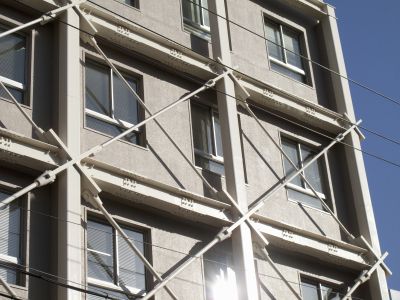
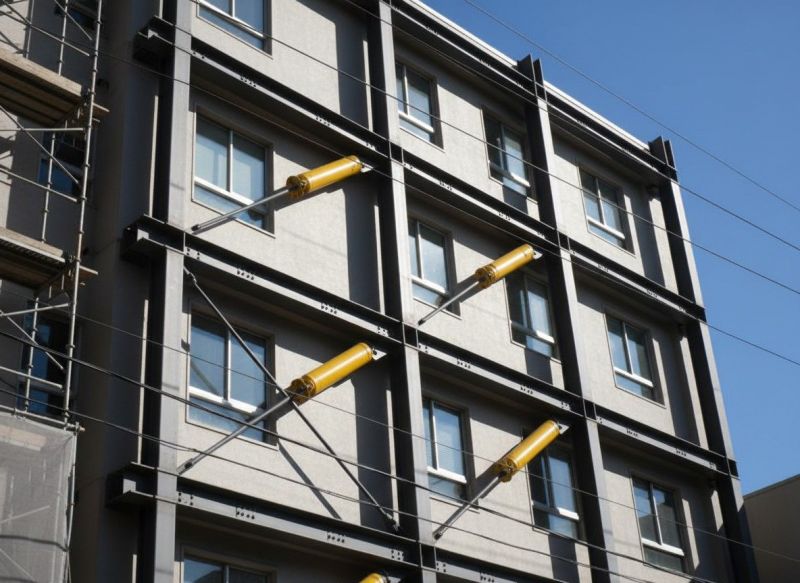
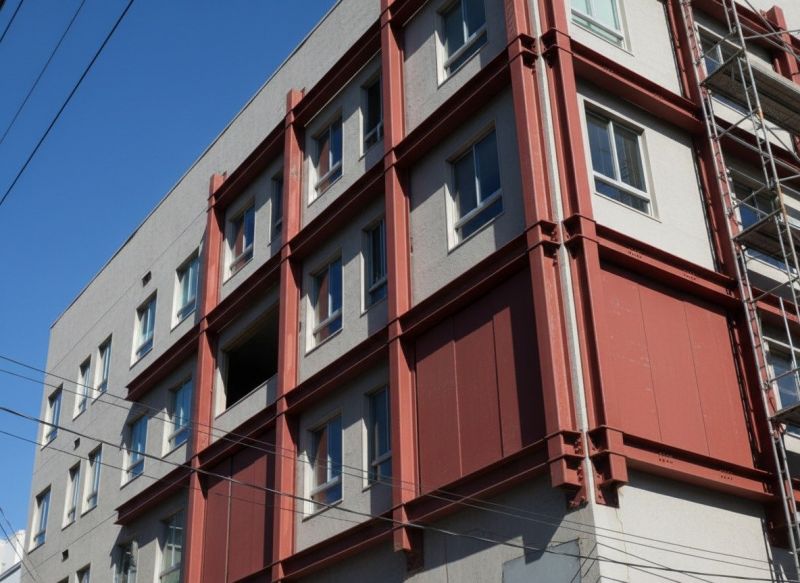
Earthquake retrofitting services involve strengthening existing structures to better withstand seismic activity. These services typically include installing additional supports, braces, or reinforcements to key structural elements such as walls, foundations, and roofs. The goal is to improve the building's ability to absorb and dissipate seismic forces, reducing the risk of damage during an earthquake. Retrofitting can be tailored to the specific design and age of a property, ensuring that it meets current safety standards and enhances overall resilience.
One of the primary problems that earthquake retrofitting addresses is the vulnerability of older or non-seismically designed buildings. Many structures built before modern seismic codes may not be able to endure the lateral forces generated during an earthquake. Retrofitting helps mitigate this risk by reinforcing weak points, preventing structural failure, and minimizing potential damage. This process can also help protect the safety of occupants and reduce the likelihood of costly repairs or complete rebuilds following seismic events.
Properties that commonly utilize earthquake retrofitting services include residential homes, especially those in earthquake-prone regions like Salt Lake City, UT, and surrounding areas. Multi-family buildings, such as apartment complexes, are also frequently retrofitted to ensure the safety of multiple occupants. Additionally, commercial properties, including office buildings and retail spaces, may undergo retrofitting to meet safety standards and continue operations with minimized risk during seismic activity. The scope of retrofitting can vary based on the property's size, age, and structural complexity.
Contacting local service providers for earthquake retrofitting can help property owners identify the most effective reinforcement strategies for their buildings. Professionals can assess existing structures, recommend appropriate upgrades, and carry out the necessary modifications to enhance seismic resilience. Engaging experienced contractors ensures that retrofitting is performed according to established safety practices, providing peace of mind for property owners in earthquake-prone areas.
The overview below groups typical Earthquake Retrofitting projects into broad ranges so you can see how smaller, mid-sized, and larger jobs often compare in Salt Lake City, UT.
In many markets, a large share of routine jobs stays in the lower and middle ranges, while only a smaller percentage of projects moves into the highest bands when the work is more complex or site conditions are harder than average.
Foundation Reinforcement - The cost for foundation reinforcement typically ranges from $5,000 to $15,000, depending on the size and complexity of the project. For example, a standard residential retrofit in Salt Lake City may fall within this range.
Structural Wall Bracing - Expenses for adding or upgrading wall bracing usually fall between $2,000 and $8,000. The total can vary based on the number of walls and the existing structure.
Seismic Retrofit Materials - Material costs for seismic retrofit components generally range from $1,000 to $4,000 per project. This includes brackets, anchors, and other hardware necessary for strengthening.
Labor and Installation - Labor costs for earthquake retrofitting services typically range from $3,000 to $12,000, depending on the scope and accessibility of the work area. Contact local service providers for detailed estimates.
Actual totals will depend on details like access to the work area, the scope of the project, and the materials selected, so use these as general starting points rather than exact figures.
Residential Building Retrofitting - local service providers offer solutions to reinforce homes against seismic activity, enhancing structural integrity during earthquakes.
Commercial Property Retrofitting - contractors specializing in commercial buildings help improve earthquake resilience to protect business assets and occupants.
Historic Building Reinforcement - experts provide retrofitting services that preserve the architectural integrity of historic structures while increasing earthquake safety.
Public Infrastructure Seismic Upgrades - local pros assist with retrofitting bridges, schools, and government facilities to meet safety standards and reduce earthquake risks.
Apartment Complex Seismic Improvements - service providers help retrofit multi-unit residential buildings to ensure safety for residents during seismic events.
Seismic Retrofit Consultation - professionals offer assessments and guidance on the most effective retrofitting strategies for various types of structures in earthquake-prone areas.
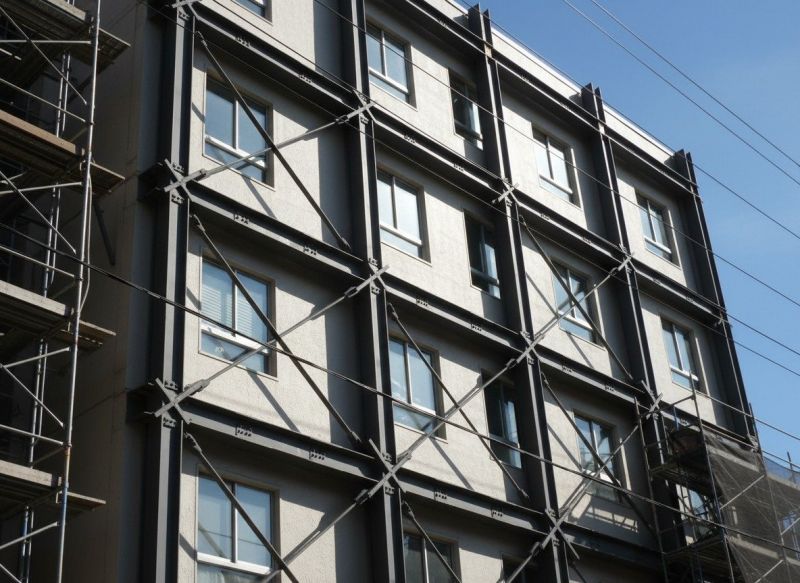
When evaluating local professionals for earthquake retrofitting services, it is important to consider their experience with similar projects. Homeowners should seek out contractors who have a proven track record in seismic reinforcement, with a history of completed work in residential properties comparable to their own. Clear communication about the scope of work, techniques used, and the expected outcomes can help establish trust and ensure that the project aligns with the homeowner’s expectations.
Reputable local pros often provide written expectations that outline the scope, procedures, and materials involved in the earthquake retrofitting process. This documentation helps clarify what services will be performed and sets a transparent foundation for the project. Homeowners are encouraged to review these written expectations carefully and ask questions to address any uncertainties before proceeding, fostering a clear understanding between the homeowner and the service provider.
Reliable references and well-established communication practices are key indicators of a reputable contractor. Homeowners should consider seeking references from previous clients or checking online reviews to gauge the quality of past work. Effective communication, including prompt responses to inquiries and thorough explanations of the retrofitting process, can contribute to a smoother project experience. It is important to remember that the information below introduces local options and is not a contractor itself, but rather a resource for connecting homeowners with qualified professionals in the area.
Property owners in Salt Lake City, UT use Earthquake Retrofitting services for practical projects around their homes and businesses. The sections below highlight everyday jobs and straightforward project options.
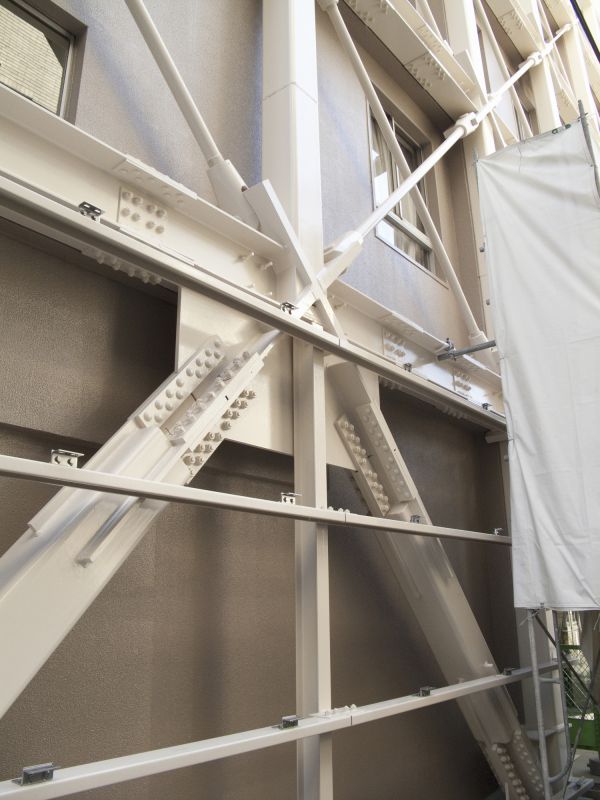
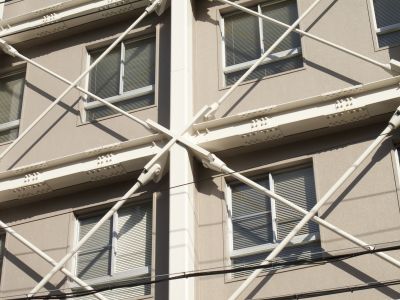
Earthquake retrofitting services are commonly sought by property owners in Salt Lake City, UT who want to improve their buildings’ resilience against seismic activity. Many residents and business owners consider retrofitting when they notice structural vulnerabilities or want to ensure their property can better withstand potential earthquakes. These services can be especially relevant for older buildings or structures that may not meet current safety standards, helping to reduce the risk of damage during a seismic event.
Property owners often look into earthquake retrofitting as a proactive measure to protect their investments and personal safety. In Salt Lake City, where seismic activity is a recognized concern, many seek professional assistance to reinforce foundations, walls, and other key structural components. Connecting with local contractors who specialize in retrofitting can provide tailored solutions that address specific building needs and improve overall stability in the face of potential earthquakes.
What is earthquake retrofitting? Earthquake retrofitting involves strengthening a building’s structure to improve its ability to withstand seismic activity, helping to reduce damage during an earthquake.
Why consider earthquake retrofitting for a property? Retrofitting can enhance the safety and resilience of a building, potentially minimizing repair costs and protecting occupants during seismic events.
Who provides earthquake retrofitting services? Local contractors and service providers specializing in structural reinforcement offer earthquake retrofitting services tailored to specific building types and needs.
How do I find qualified retrofitting professionals nearby? Contacting local service providers or contractors through referral networks and directories can help connect with experienced retrofitting specialists in the area.
Is earthquake retrofitting suitable for all buildings? Retrofitting is generally applicable to older structures and buildings that may not meet current seismic standards, but a professional assessment can determine its suitability.
Seismic Retrofit Assessments - Local professionals can evaluate existing structures to identify vulnerabilities and recommend appropriate retrofitting solutions.
Foundation Reinforcement - Experts can strengthen building foundations to improve stability and resistance during seismic events.
Structural Upgrades - Service providers can enhance walls, beams, and framing to better withstand earthquake forces.
Post-Earthquake Inspection Services - Professionals can assess buildings after seismic activity to determine safety and necessary repairs.
Considering Earthquake Retrofitting for a property in Salt Lake City, UT? The sections above highlight common project types, practical options, and details that often shape the scope of work.
When you are ready, use the quote form to share a few details about your project. Local pros can review the basics and respond with options that match what you have in mind.