
Get Seismic Retrofitting Service in Boise, ID
Seismic retrofitting services for Boise property owners address structural vulnerabilities, strengthening foundations, walls, and roofs to improve earthquake resilience through expert local contractors.
Seismic retrofitting services provide property owners in Boise, ID with essential enhancements to improve structural resilience against earthquakes. These upgrades help ensure that buildings can better withstand seismic forces, offering peace of mind for residents and occupants. By reinforcing key structural elements, property owners can enjoy increased durability and functionality, reducing the risk of damage during seismic events and helping to maintain the property's value over time.
In addition to safety, seismic retrofitting can contribute to overall comfort and curb appeal. Strengthening a building’s foundation and framework often results in a more stable and reliable structure, which can lead to lower maintenance needs. Enhanced structural integrity can also improve the appearance of a property, making it more attractive to potential buyers or tenants while providing long-term benefits in durability and performance.
- Seismic retrofitting services are essential for buildings in earthquake-prone areas to enhance structural stability and safety.
- Commercial properties undergoing renovations in cities like Boise, ID, may require retrofitting to meet updated seismic codes.
- Residential buildings in regions with active fault lines might need seismic upgrades to protect inhabitants during an earthquake.
- Public infrastructure such as schools and government facilities often seek retrofitting to ensure compliance with safety standards.
- Industrial facilities in areas near fault zones may require seismic reinforcement to minimize damage during seismic events.
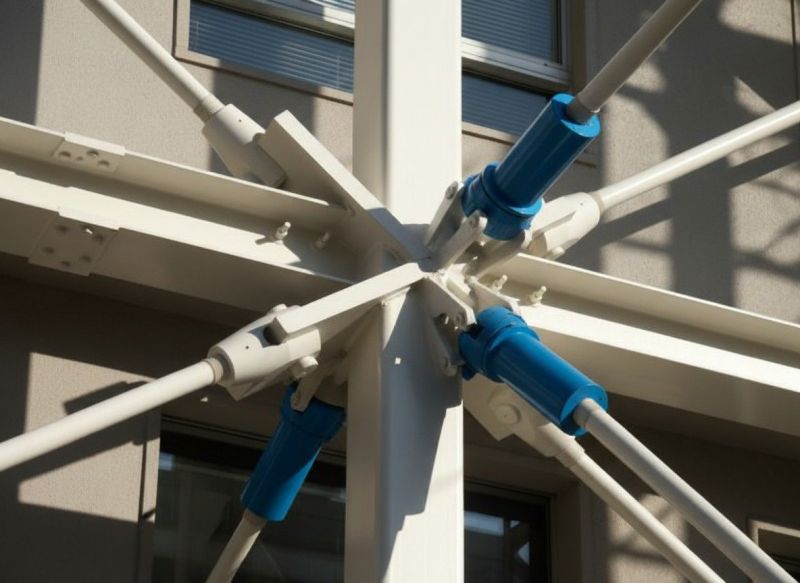
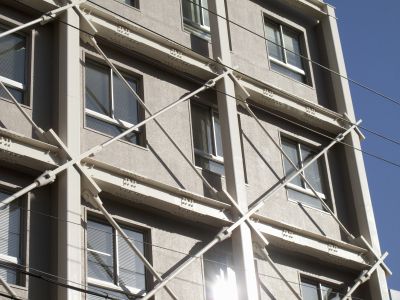
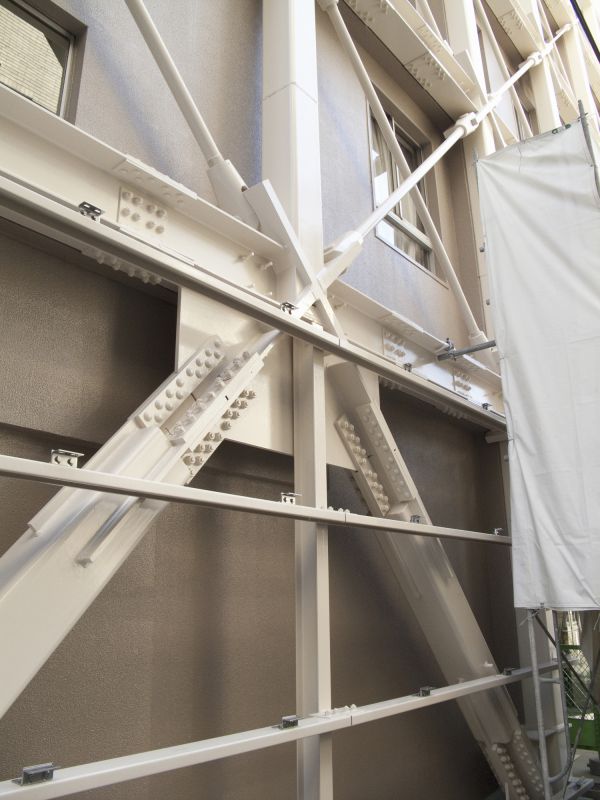
Seismic retrofitting services involve strengthening existing structures to improve their ability to withstand the forces generated by earthquakes. This process typically includes adding or upgrading structural elements such as shear walls, braces, and foundation anchors to enhance stability and reduce the risk of collapse. The goal is to modify the building’s framework so it can better absorb and dissipate seismic energy, thereby protecting occupants and reducing potential damage during an earthquake event. These services are often tailored to meet the specific needs of each property, ensuring that the retrofitting measures are effective and appropriate for the building’s design and condition.
The primary problems addressed by seismic retrofitting include the vulnerability of older or non-compliant structures to earthquake forces and the potential for severe damage or collapse during seismic activity. Without proper reinforcement, buildings can experience significant structural failures, leading to costly repairs, displacement, or even loss of life. Retrofitting helps mitigate these risks by reinforcing weak points, improving load distribution, and enhancing overall structural integrity. This proactive approach is especially important in regions prone to seismic activity, where the consequences of inadequate structural resilience can be severe.
Properties that typically undergo seismic retrofitting include residential homes, especially older houses that were built before modern seismic codes were established. Commercial buildings, such as office complexes, warehouses, and retail spaces, also benefit from retrofitting to ensure safety and compliance with local regulations. Additionally, public structures like schools, hospitals, and government facilities are often prioritized for seismic upgrades to protect occupants and maintain essential functions during and after an earthquake. The scope of retrofitting can vary based on the property’s size, use, and existing structural condition.
Seismic retrofitting services are provided by local contractors and specialists experienced in structural reinforcement techniques. These professionals assess the specific vulnerabilities of each property and recommend appropriate solutions to enhance earthquake resistance. Engaging with qualified service providers ensures that the retrofitting work is performed according to best practices and local standards. For property owners in earthquake-prone areas, connecting with local pros can help identify the most effective methods for strengthening buildings and improving overall safety during seismic events.
The overview below groups typical Seismic Retrofitting Service projects into broad ranges so you can see how smaller, mid-sized, and larger jobs often compare in Boise, ID.
In many markets, a large share of routine jobs stays in the lower and middle ranges, while only a smaller percentage of projects moves into the highest bands when the work is more complex or site conditions are harder than average.
Structural Reinforcement - The cost for structural reinforcement during seismic retrofitting typically ranges from $3,000 to $10,000 per building. Larger or more complex structures may incur higher expenses, often exceeding $15,000. Local pros can provide detailed estimates based on building size and condition.
Foundation Strengthening - Foundation strengthening services generally cost between $5,000 and $20,000, depending on the extent of work needed. For example, minor upgrades might be around $5,000, while extensive foundation work can reach $25,000 or more. Costs vary based on foundation type and structural requirements.
Wall and Frame Upgrades - Upgrading walls and frames for seismic resistance can range from $2,000 to $8,000 per property. The price depends on the number of walls, materials used, and the building’s size. Local service providers can assess the scope and provide precise cost estimates.
Seismic Retrofit Consultation - Consultation services for seismic retrofitting typically cost between $500 and $2,500. This includes site assessments and recommendations, with costs varying based on property size and complexity. Pros can help determine the most effective retrofit options for specific buildings.
Actual totals will depend on details like access to the work area, the scope of the project, and the materials selected, so use these as general starting points rather than exact figures.
Commercial Buildings - Local pros offer seismic retrofitting services for commercial structures to enhance their resistance to earthquake damage and protect business continuity.
Residential Homes - Homeowners can find specialists experienced in retrofitting techniques to improve the earthquake resilience of residential properties.
Historical Structures - Experts provide retrofitting solutions tailored to preserve the integrity of historic buildings while strengthening their seismic performance.
Public Infrastructure - Service providers assist with retrofitting bridges, schools, and other public facilities to meet safety standards and withstand seismic events.
Industrial Facilities - Industrial sites benefit from specialized retrofitting services designed to secure heavy equipment and structural components against earthquakes.
Multi-Unit Complexes - Contractors offer seismic upgrades for apartment complexes and multi-family buildings to ensure safety for occupants during seismic activity.
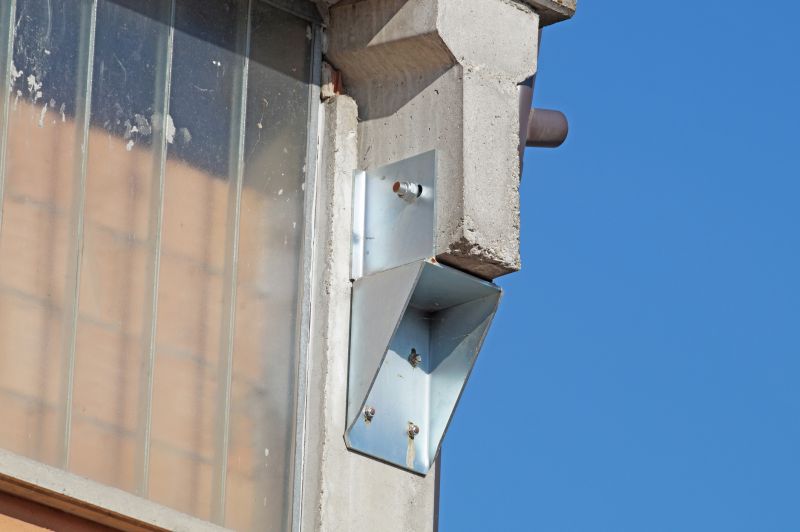
Seismic retrofitting services require experienced professionals who understand the specific structural needs of buildings in earthquake-prone areas like Boise, ID. When evaluating local contractors, it’s important to consider their level of experience with seismic upgrades, including the types of structures they have worked on and their familiarity with current best practices. Homeowners should look for contractors who can provide clear written expectations for the scope of work, materials, and methods involved, ensuring transparency and understanding before any work begins.
Reputable references are a valuable resource when comparing local seismic retrofitting providers. Pros with a solid reputation often have a history of successful projects and satisfied clients within the community. Homeowners can seek out reviews, testimonials, or referrals from trusted sources to gauge the quality of service and reliability of potential contractors. Verifying references can help ensure that the selected provider has a track record of delivering consistent results and adhering to agreed-upon standards.
Effective communication is essential throughout the seismic retrofitting process. Homeowners should look for professionals who are responsive, clear in their explanations, and willing to address questions or concerns promptly. Open lines of communication help establish trust and ensure that expectations are aligned from initial consultation through project completion. Since the information below connects users with local service providers, it is recommended to contact multiple options to compare how each communicates and to find the best fit for the specific needs of the home.
Property owners in Boise, ID use Seismic Retrofitting Service services for practical projects around their homes and businesses. The sections below highlight everyday jobs and straightforward project options.
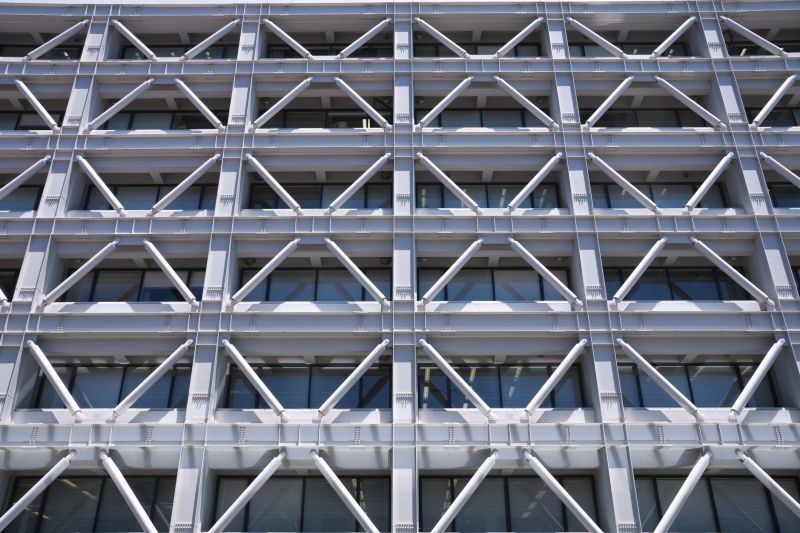
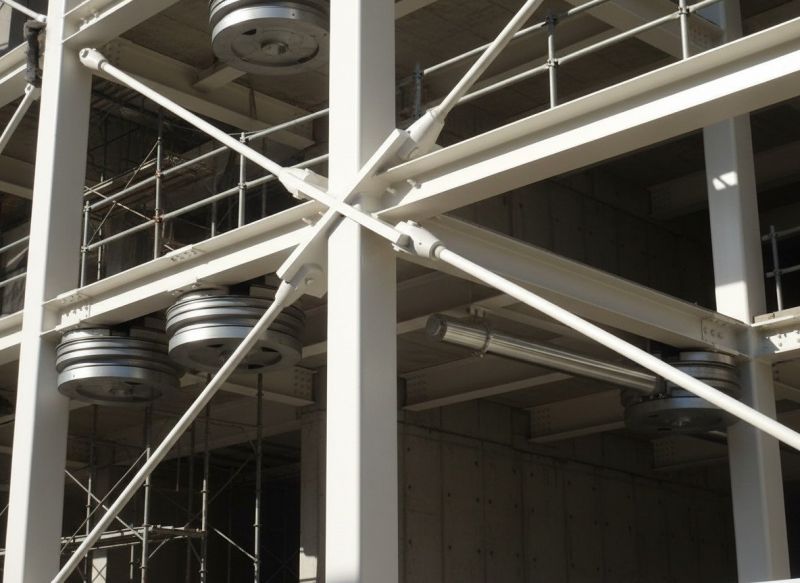
Seismic retrofitting services are often sought by property owners in Boise, ID who want to enhance the safety and resilience of their buildings against earthquakes. Common situations include older structures that may not meet current seismic standards or owners planning renovations who want to ensure their properties can better withstand seismic events. Retrofitting can help improve the structural integrity of a building, providing peace of mind for those concerned about potential earthquake damage.
Property owners might also look for seismic retrofitting when preparing for future natural events or when local building codes are updated to require additional seismic safety measures. Whether for residential, commercial, or multi-family properties, local service providers can assess existing structures and recommend appropriate retrofitting solutions to strengthen the building’s ability to resist seismic forces. This proactive approach can be an important step in safeguarding property and occupants in Boise’s seismic-prone areas.
What is seismic retrofitting? Seismic retrofitting involves strengthening existing structures to better withstand earthquake forces, helping to improve safety and reduce damage during seismic events.
Why consider seismic retrofitting for a building? Retrofitting can enhance a building’s ability to resist earthquake impacts, potentially protecting occupants and reducing repair costs after a quake.
What types of structures can be retrofitted? Various structures, including residential, commercial, and historic buildings, can undergo seismic retrofitting to improve their earthquake resilience.
How do local service providers perform seismic retrofitting? Contractors assess the building’s vulnerabilities and apply reinforcement techniques such as adding shear walls, braced frames, or foundation enhancements.
How can I find a local professional for seismic retrofitting? Contacting experienced contractors or service providers in Boise, ID, and nearby areas can connect you with specialists skilled in seismic retrofitting services.
Seismic Retrofitting Assessments - Local professionals can evaluate existing structures to identify seismic vulnerabilities and recommend appropriate retrofitting solutions.
Structural Reinforcement Services - Experts offer structural enhancements to improve a building’s ability to withstand seismic forces.
Foundation Strengthening - Service providers can reinforce foundations to reduce the risk of damage during an earthquake.
Seismic Upgrade Planning - Consultants assist in developing comprehensive retrofit plans tailored to specific building types and locations.
Considering Seismic Retrofitting Service for a property in Boise, ID? The sections above highlight common project types, practical options, and details that often shape the scope of work.
When you are ready, use the quote form to share a few details about your project. Local pros can review the basics and respond with options that match what you have in mind.